The meanwhile chapter is done. Long live The Loop.
In 2022, we embarked on journey with the Hackney Wick and Fish Island community, to explore how we could revitalise our high-street post-COVID. Blending spatial & climate justice, with a principled focused on pragmatic delivery, we collectively developed some ideas & got to work making it happen.
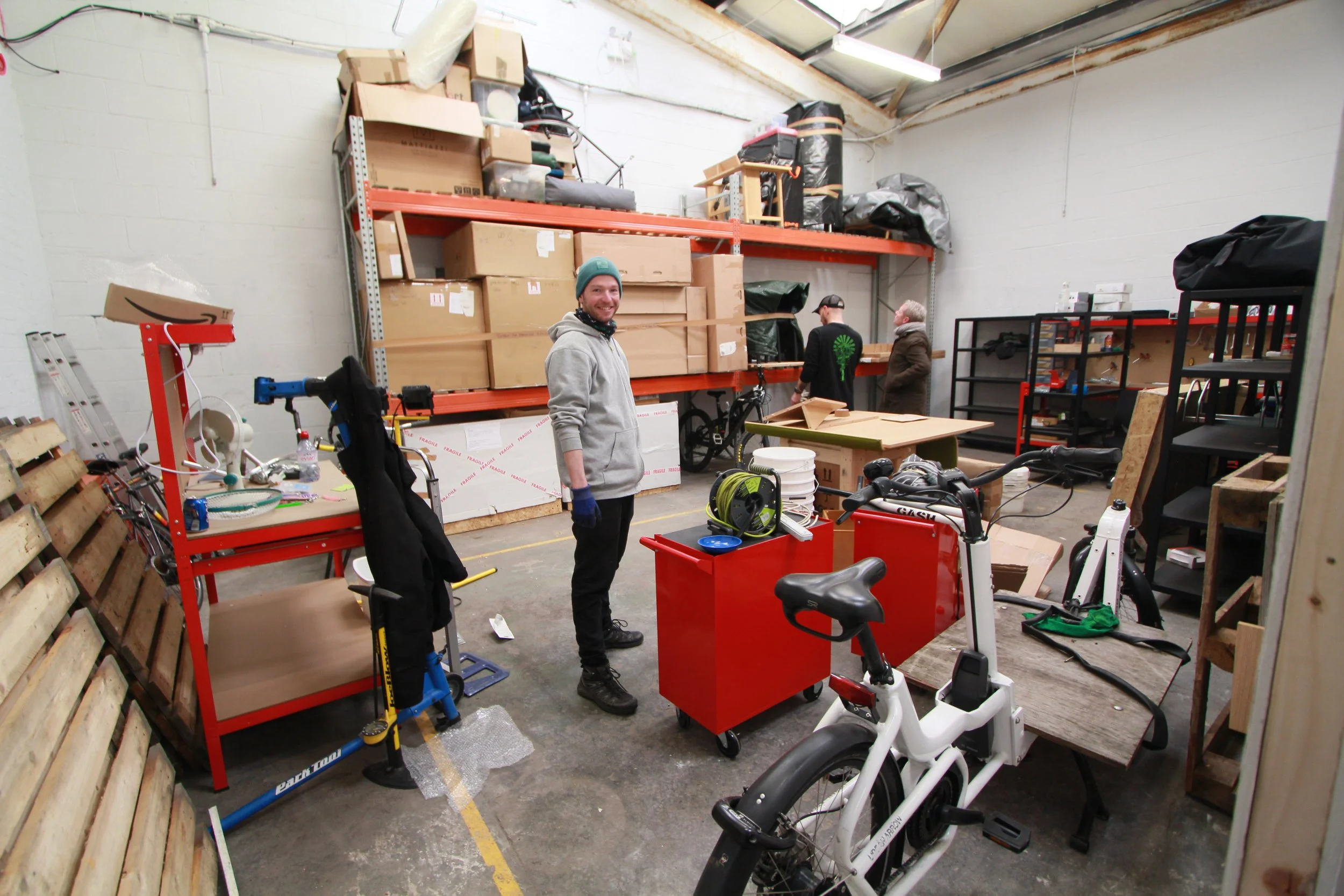
By 2024 we had opened the doors of a repurposed 10,000 sqft warehouse at 119 Wallis Road in Hackney Wick. Just a simple idea: give circular economy businesses the affordable and messy space they needed to grow. I suppose we had a sense of what might happen, what we’d like to see materialise, but essentially we became quickly comfortable with simply seeing what happens.
What happened was The Loop. A landmark project for the area delivered in partnership with our friends at Halcyon DP, Arbeit Studios, with funding support from GLA & LLDC. A landmark project in so many ways, not just because it was the first large scale space run through our community ownership model, but the first dedicated circular economy space in The Wick and the prime mover in what is now vision that will last no less than a century.
2.5 years on, we're closing the meanwhile chapter. The temporary lease has run its course. The proof of concept is done and the honest answer to "was it worth it?" is more complicated, and more encouraging, than we expected.

What we got right
The demand was real. When we launched, six times more businesses applied than we could accommodate. That's not a small surplus, it's a structural gap in the market.
The businesses that moved in weren't just tenants in the classic sense. Many of them had been people we had built long term relationships with once we embarked on this wider piece, they had conceived of the idea with us. It’s not hard to calculate that this deep trust, ownership & agency is what made setting up, opening & doing deep work in the local community flow easily amongst all the time, budget & first mover constraints.

Quickly, they all became collaborators, educators & community anchors. Zhero built a 100% electric fleet and 30 local jobs. Are You Mad ran school programmes across east and north london. Yodomo redistributed over 13 tonnes of post-industrial textile waste — material that would otherwise have been incinerated. Looply turned soft plastics from the local area into products with 91% circularity and manufacturing emissions around 80% lower than conventional alternatives. Every single business we surveyed reported that their productivity increased at The Loop. Half said the improvement was significant.
The model also proved something harder to quantify: when you give small circular economy businesses affordable shared space, they naturally build a ecosystem that is reciprocal by design. It’s in their code to do so. Our former Executive Director Alex Russell, used to say, they’re “evangelical with this thing” which is a nice way to put I feel. They lend each other equipment, include each other on contract bids, share knowledge, and refer so naturally. The connecting tissue matters as much as the physical infrastructure.

What we got wrong, or at least, what we'd do differently
The short time horizon cost us. Year-to-year tenancy creates uncertainty, for businesses making investment decisions, for community relationships that take time to deepen, for us to be able to make space changes to improve the experience for all. We extended The Loop repeatedly because it was working, but each extension was a patch, not a plan.
UCL's independent evaluation — published earlier this year — was honest about this too. Transience is a structural challenge. It shapes what businesses will risk, what they'll invest in, and how deeply they'll engage with the local community. A project that proves its model on a temporary lease, and then disappears, doesn't build infrastructure. It builds a memory.
There were physical limitations too. The major one was a predominantly solid facade that limited public engagement. Inadequate heating that made some production activities impossible in winter. These aren't minor details, they're design constraints that come along with this type of project, that matter more than anything for the next iteration.

What comes next
In a landmark agreement with Halcyon Development Partners, we've secured 7,000 sqft of circular economy workspace for 99 years, at peppercorn rent, within the forthcoming development at 115–119 Wallis Road.
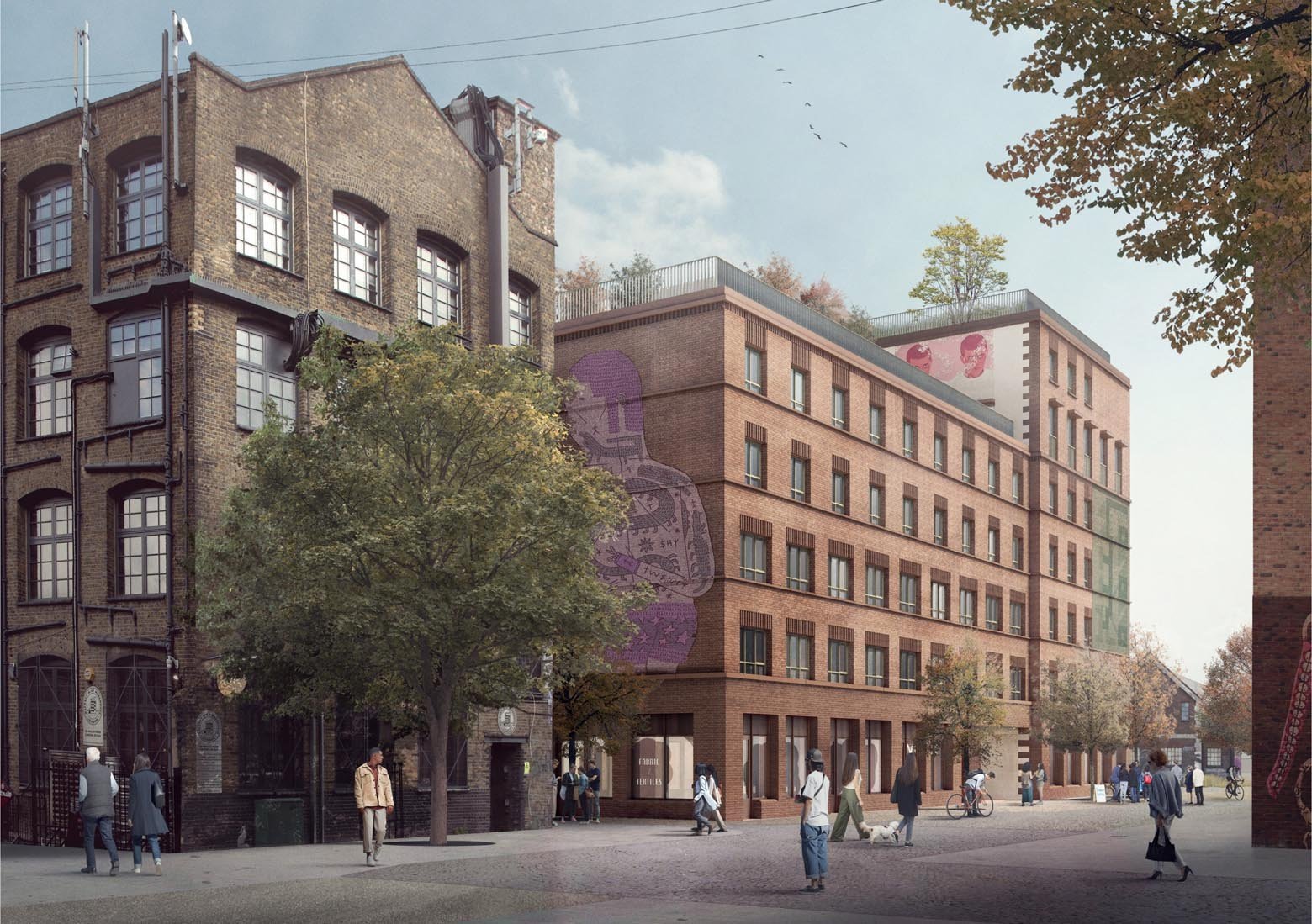
The proof of concept is done. What comes next is permanent infrastructure. A chance for the current ecosystem to recombine, for new enthusiasts to join, for the community to define the design, accessibility, use of space, governance and how the economic surplus is used to strengthen our local social fabric. You can read more here.
UCL's report doesn't just validate The Loop as a local success story, it frames it as a replicable typology for circular economy neighbourhoods nationally. What's missing, in most places, isn't ideas or ambition. it's community-owned, long-term, affordable space and the trust infrastructure around it.
If you're working in regeneration, economic development, or climate delivery in another neighbourhood — and you're looking at a gap the market isn't filling — we'd like to talk.
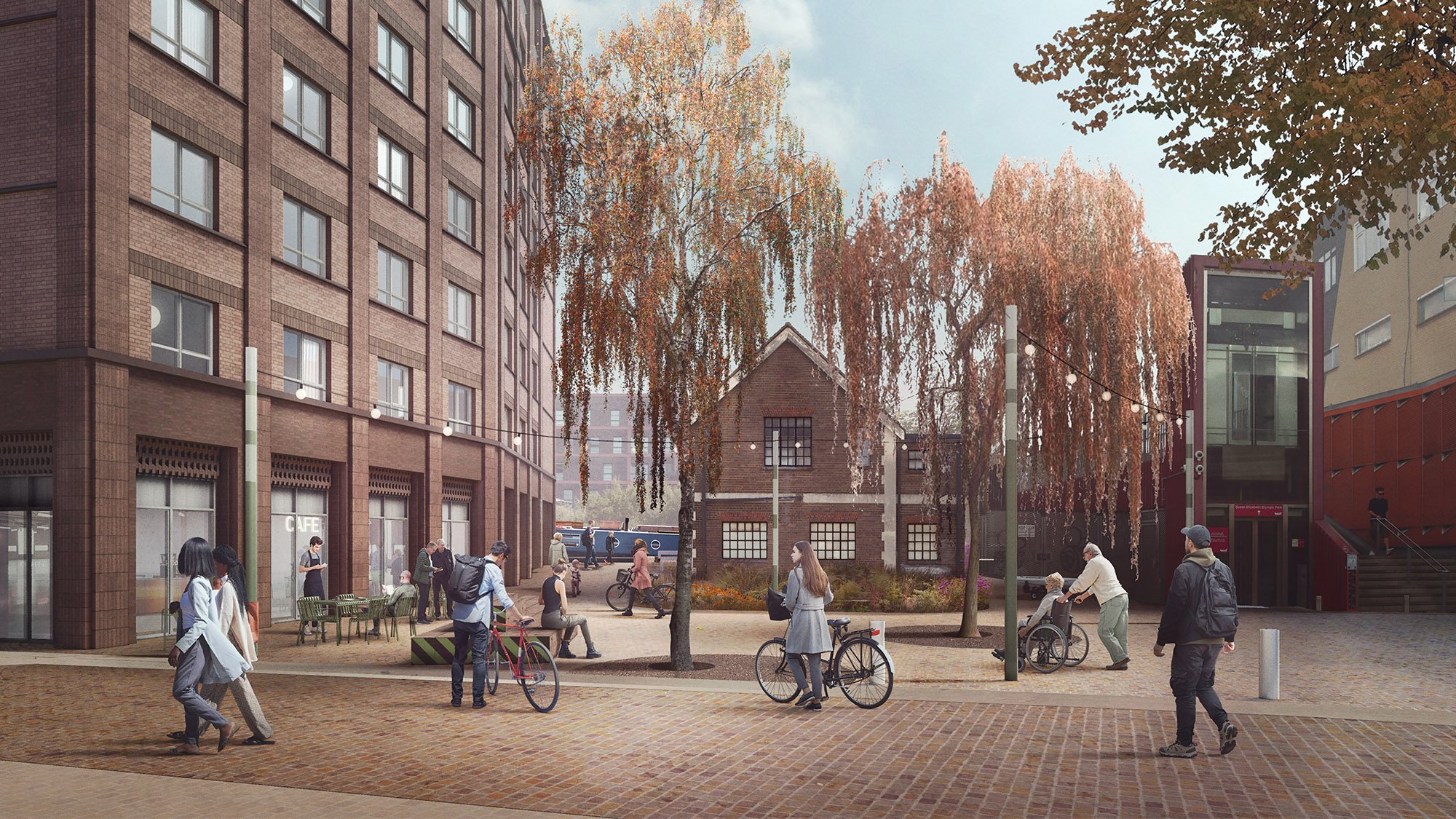
The Loop as a meanwhile test phase might be closing, but the work continues, & we’re certain it will be bigger & brighter than ever.
Get in touch: patrick@wickcdt.org | wickcdt.org