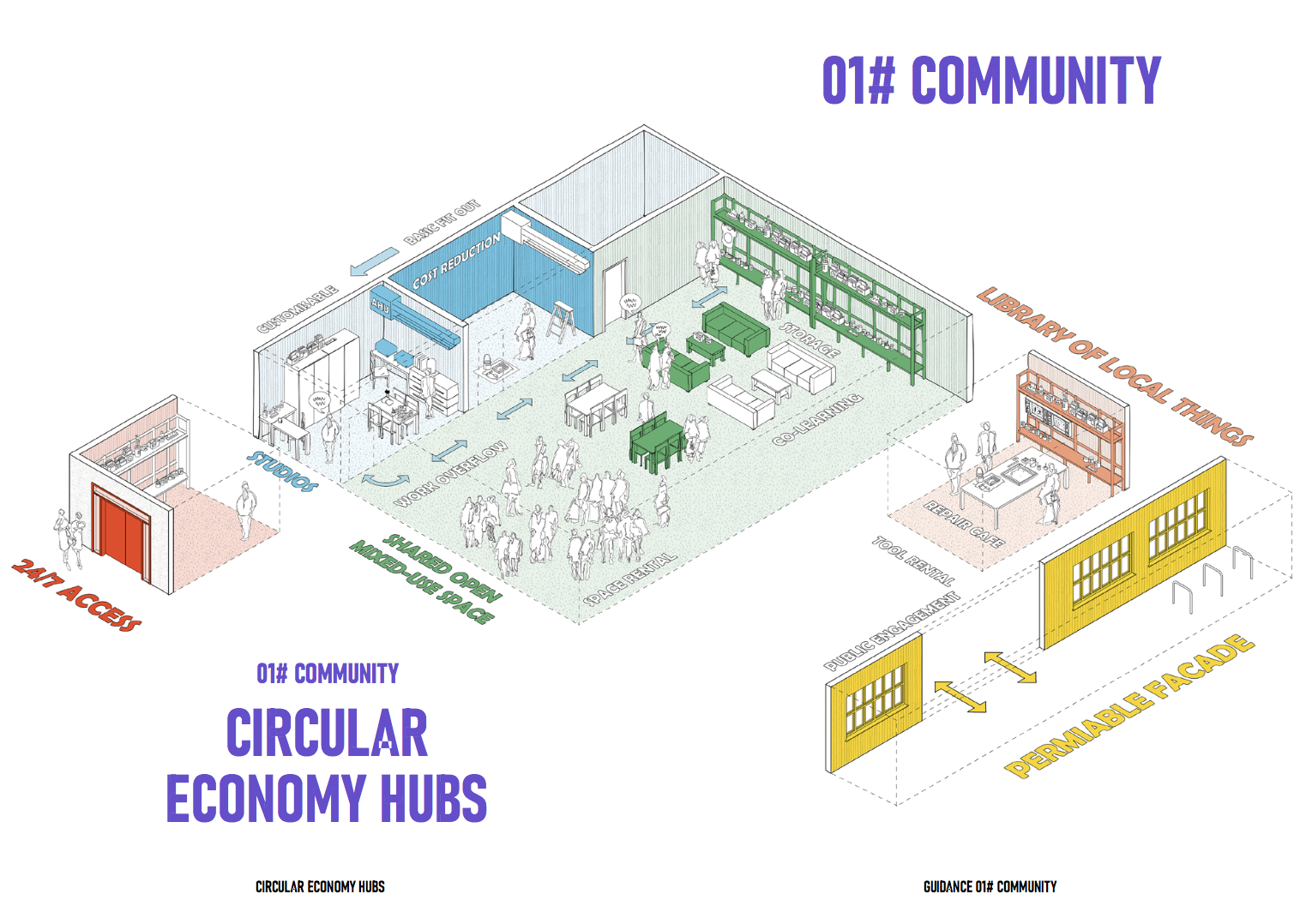
Last week we were host partners from UCL's Plastic Waste Innovation Hub, Morris+Company, Cella Collective at the launch of a landmark piece of research: Circular Economy Hubs Guidance 01# Community. This is a nationally significant document that sets out what it takes to establish, sustain, and scale community-rooted circular economy hubs across the UK.
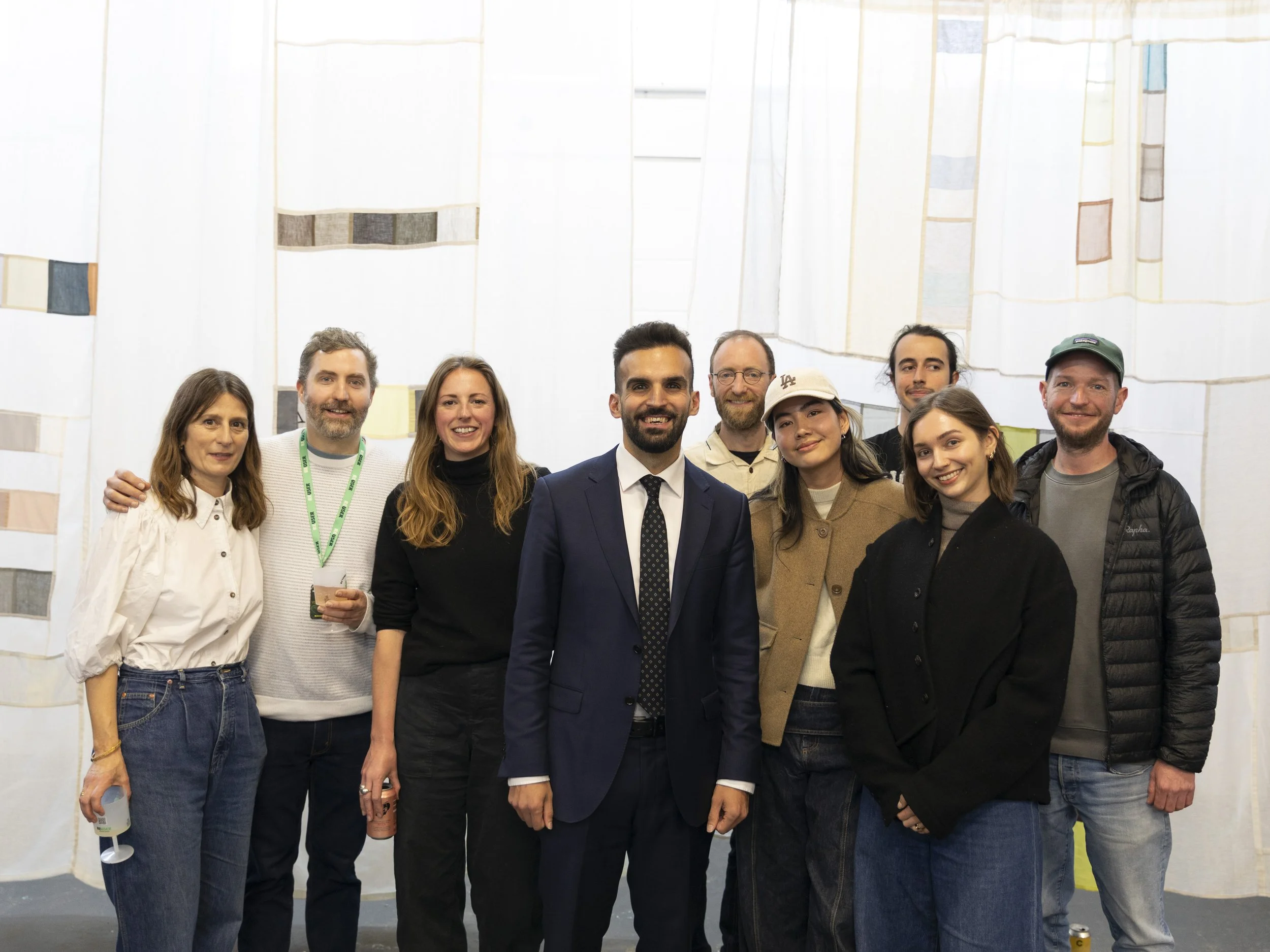
The launch was held at our Circular Economy Hub The Loop and featured words from Deputy Mayor of London for Environment and Energy Mete Coban MBE & CEO of London Legacy Development Corporation Shazia Hussain, underscoring the strategic weight now being placed on community-led circular economy infrastructure at the highest levels of city governance.
CDT and The Loop: From Practice to Policy
CDT's contribution to this guidance is not incidental, it is central. We’ve been working with Dr. Rosa Hewlett from UCL on this research for a year. Our facilitation model, community engagement approach, and operational experience form a core part of the evidential base from which the framework is drawn.
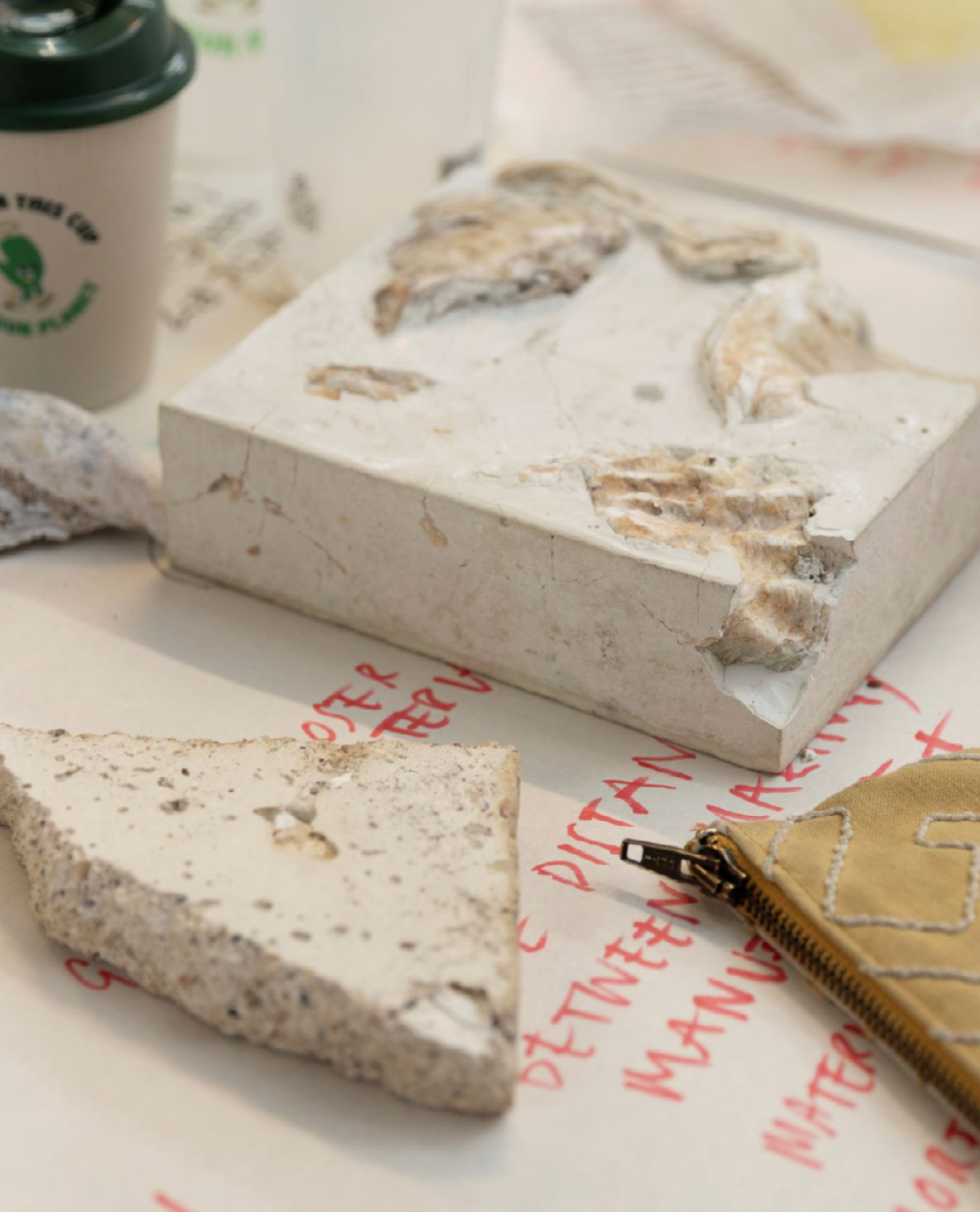
This reflects what the CDT has long understood: that the most durable and impactful circular economy models are not designed in the abstract. They are built through sustained, place-based practice, through years of working directly with communities, navigating the realities and learning what genuinely changes behaviour and builds local economic resilience.
The Loop has been that laboratory. It is gratifying, and important, to see that lived experience translated into guidance that can now inform the development of hubs elsewhere.
Why This Report Matters
The CE Hubs Guidance arrives at a significant moment. DEFRA continues to expand its obligations around resource efficiency and waste reduction as we’re forming new partnership that places circular economy thinking at the heart of how we plan for the future of East London.
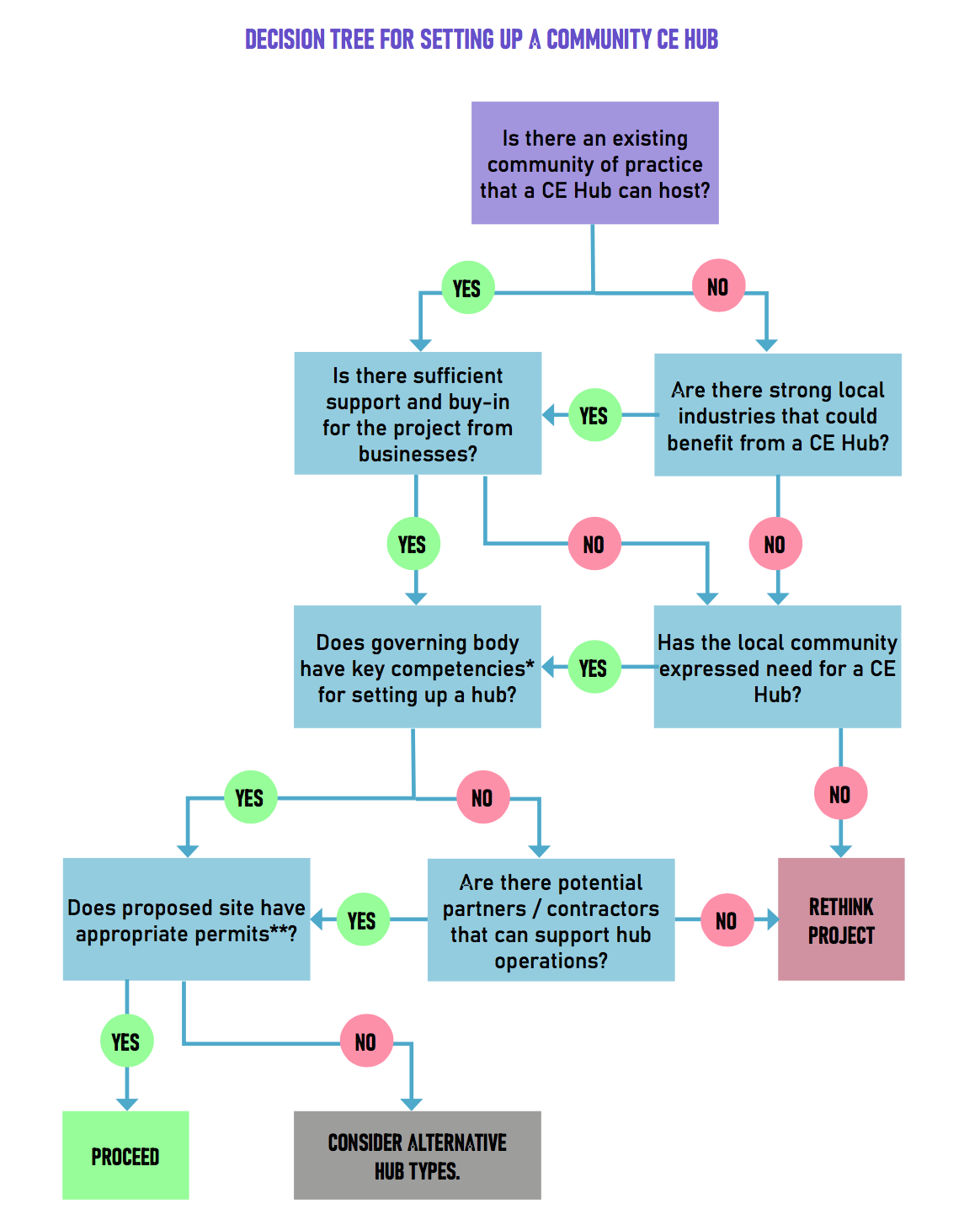
In that context, having a research-backed, nationally applicable framework — one that draws explicitly on the work happening here — is both validation and a call to action.
As we noted on LinkedIn at the time of the launch, this project is a reminder that solving social and environmental problems takes more than good intentions. It requires the kind of patient, community-embedded, evidence-generating work that organisations like CDT exist to do.
A Framework Built on Community of Practice
One of the report's most important contributions is its articulation of the community of practice model as the organising framework for circular economy hubs. This is not simply a conceptual preference, it reflects what the evidence, including CDT's own operational experience, demonstrates: that facilitation matters as much as infrastructure.
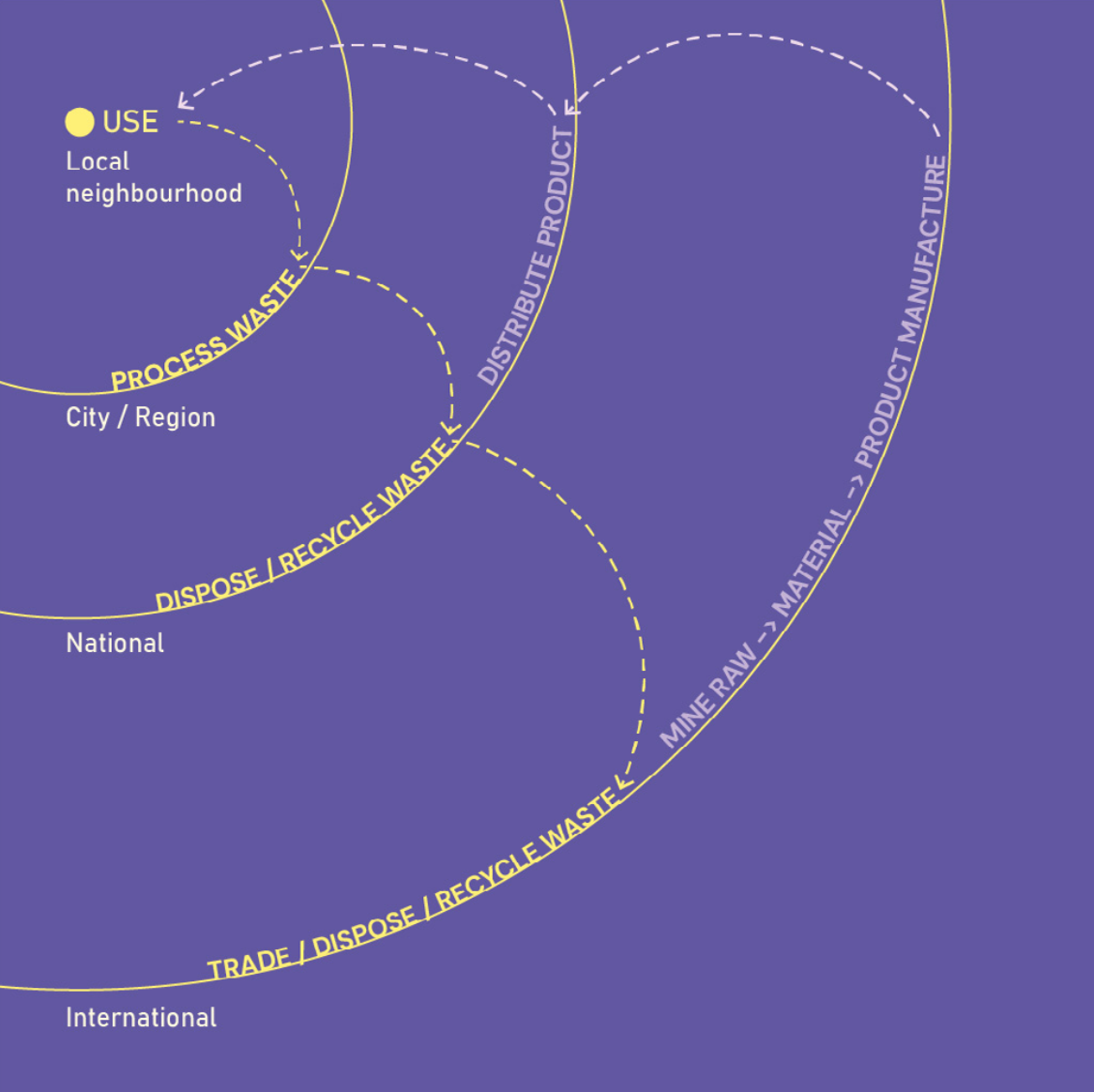
The distinction the report draws between hands-off and facilitated approaches is one CDT has navigated in practice. Building a functioning circular economy hub means actively cultivating the relationships, behaviours, and trust that allow circular systems to work. That is a fundamentally human endeavour, and it requires sustained, skilled facilitation.
What Comes Next
CDT remains committed to advancing circular economy practice in East London and beyond. The Loop has been a proof of concept and the UCL guidance confirms that the model is transferable.
We will continue to work with UCL, Councils, businesses & residents across East London to apply the lessons of this research to the next chapter of circular economy development.
We welcome conversations with funders, local authorities, and practitioners who want to understand how community-rooted circular economy hubs can be established and sustained.